HR
Appoyo HR keeps hiring and compliance tight, without the admin drag. Built-in onboarding workflows, credential tracking, and expiry alerts.
Learn More

Appoyo HR keeps hiring and compliance tight, without the admin drag. Built-in onboarding workflows, credential tracking, and expiry alerts.
Learn More
End-to-end delivery linking rostering, notes, payroll and invoicing in one source of truth with live dashboards.
Learn More
Log incidents in field workflows, track actions and report executive risk with clear visibility and accountability.
Learn More
SCHADS-aware payroll and automated invoicing reduce double handling, errors and rework across large care workforces.
Learn More
24/7 shift-fill managed service from 5pm to 7am to reduce roster gaps and continuity risk without adding overhead.
Learn More
Free, no sign-up financial tools built for NDIS and Home Care providers to understand margin, forecasting and more.
Learn More


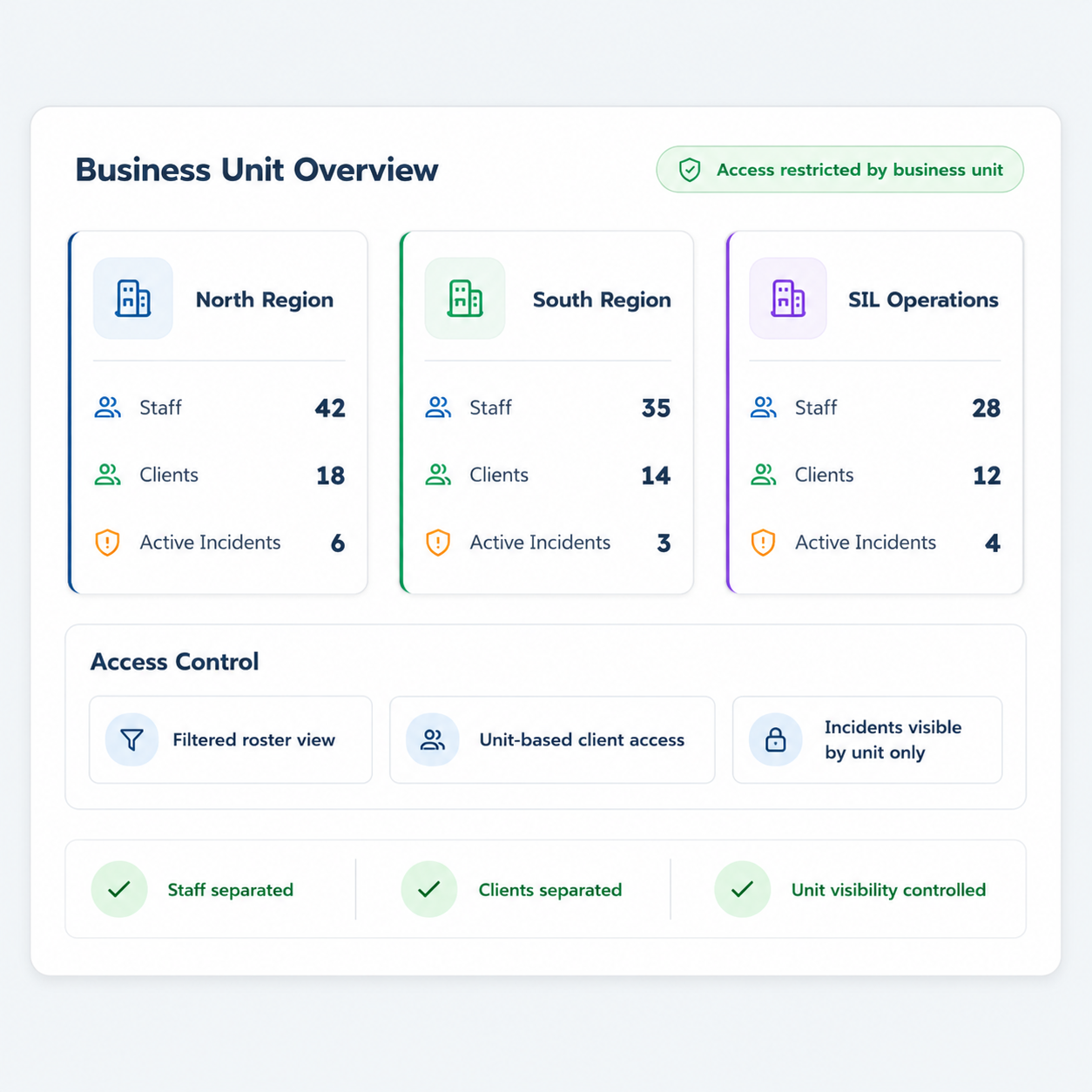
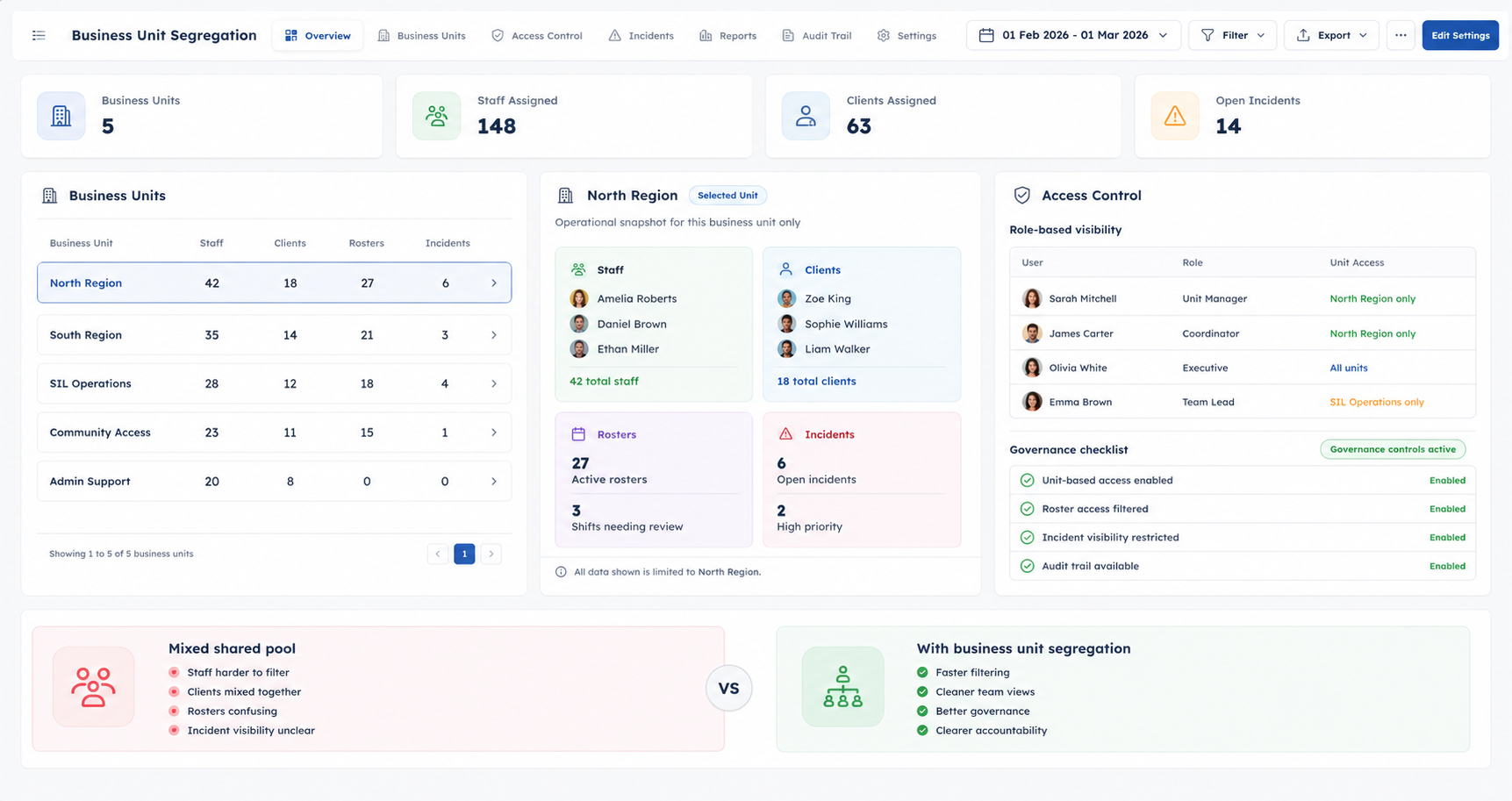
Appoyo lets medium to large providers run multiple business units inside one platform without mixing staff, clients, rosters, or incidents. Teams only see what belongs to their domain, so operations are cleaner, faster, and less error-prone.


.jpg)
WHY IT MATTERS
When staff, clients, rosters, and incidents sit in one shared pool, business unit leaders waste time filtering, teams get confused, and mistakes happen. It also creates governance headaches because it is harder to prove who saw what, and why.
HOW IT WORKS
Most systems try to solve this with permissions and access levels on top of a single mixed dataset. Appoyo provides true segregation by business unit, then adds full permissions on top of that for finer control.

How it works
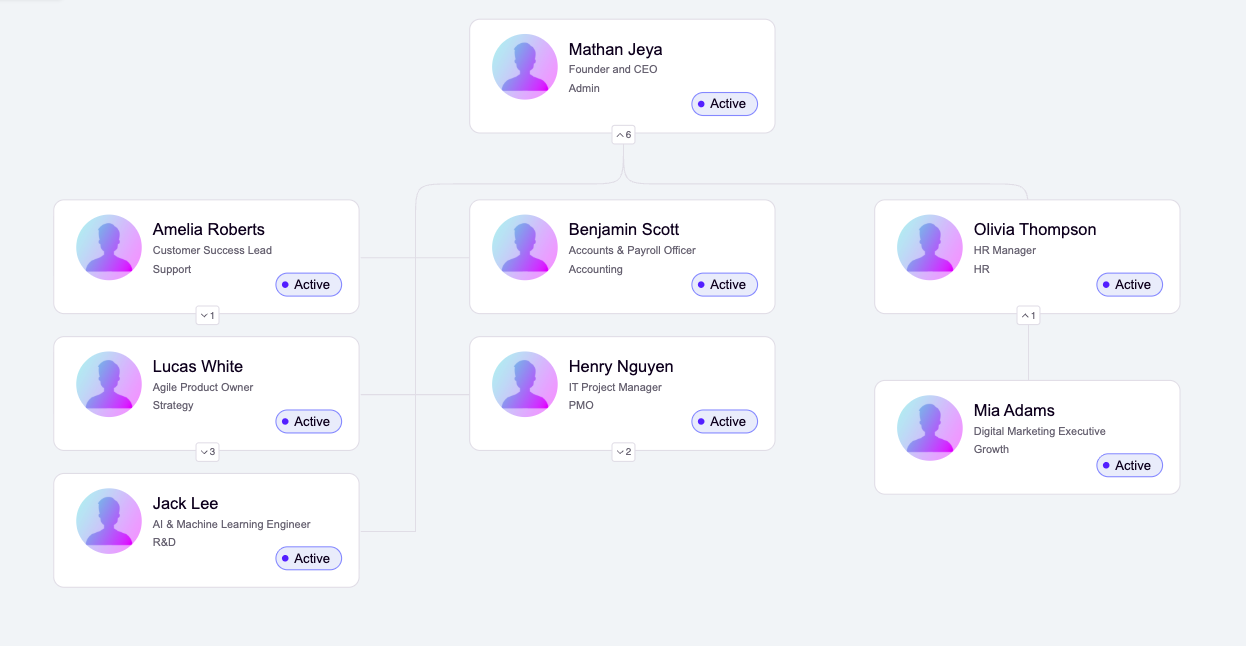
Appoyo uses an HR-style structure so access flows through organisational design: people sit in teams under managers, and visibility follows that structure. This reduces noise and makes it obvious who owns what.
What teams see (and do not see)
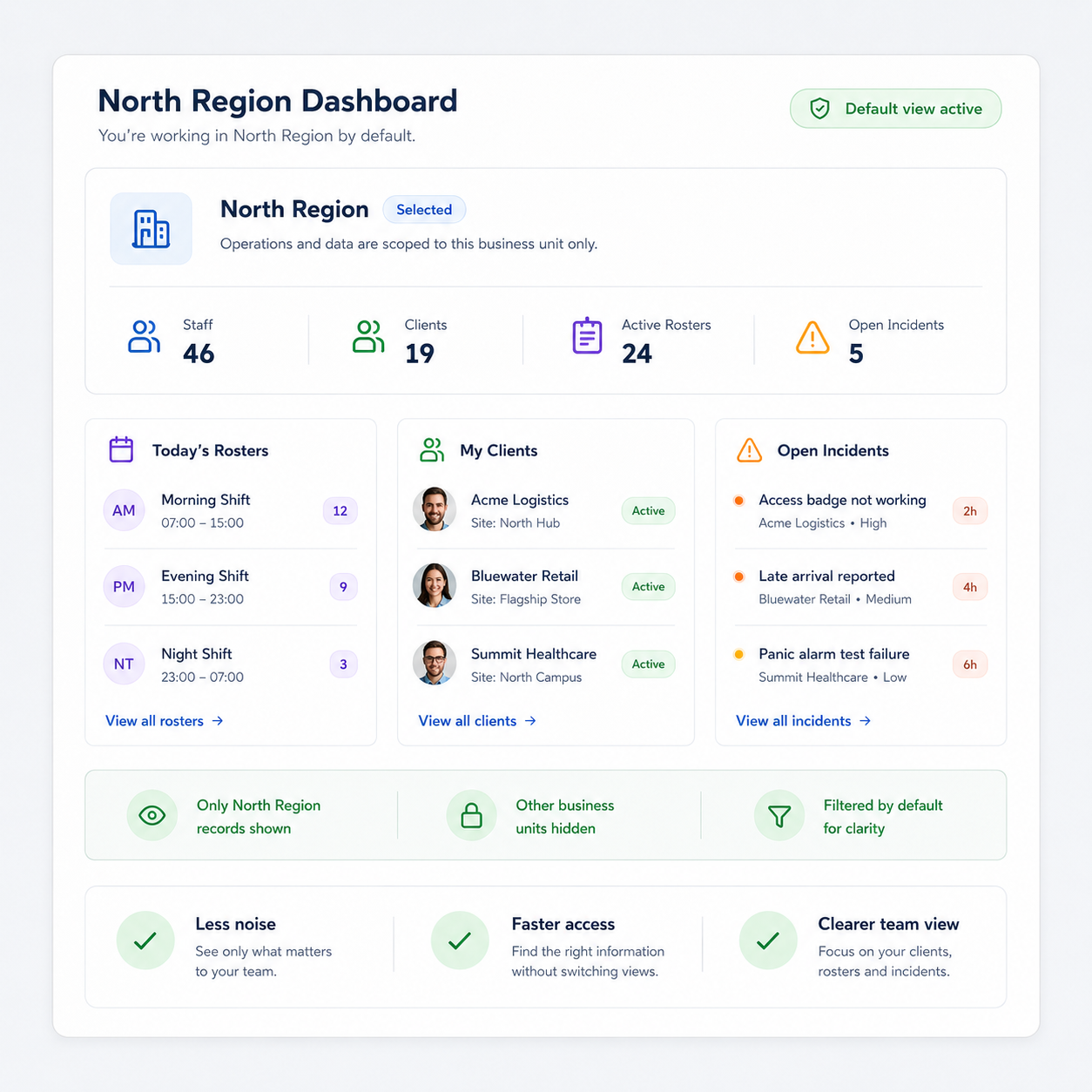
When users log in, they work inside their business unit by default. They are not wading through irrelevant rosters or records from other teams.
Operational outcomes
Segregation improves operations because it reduces decision friction. People move faster when the system only shows what matters to them.
Governance and risk control
Segregation supports governance because it limits accidental access and reduces cross-unit confusion. It also creates a cleaner audit trail and clearer accountability.
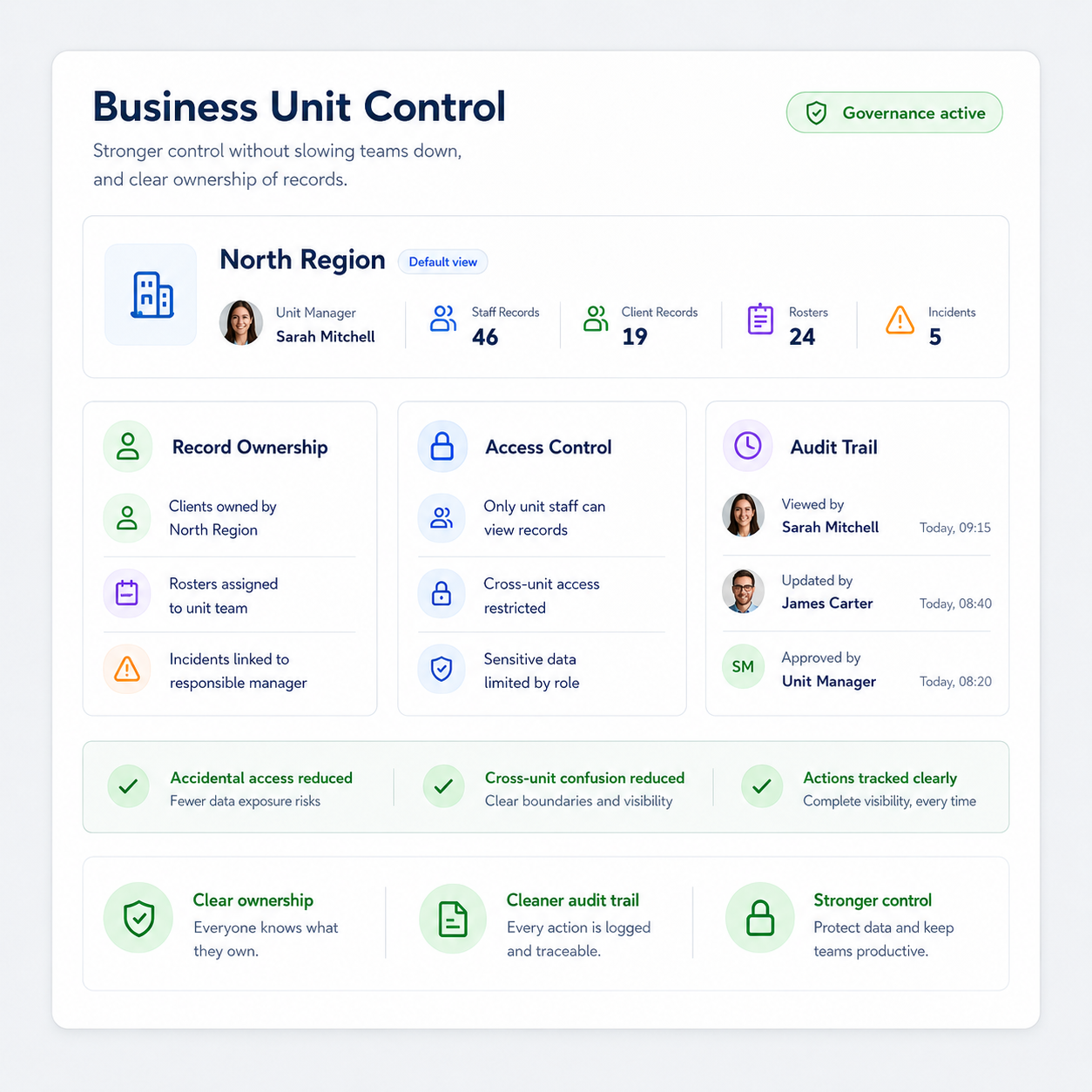
Appoyo Business Unit Segregation keeps teams focused on their own staff, clients, rosters, and incidents while maintaining strong governance across the whole organisation.