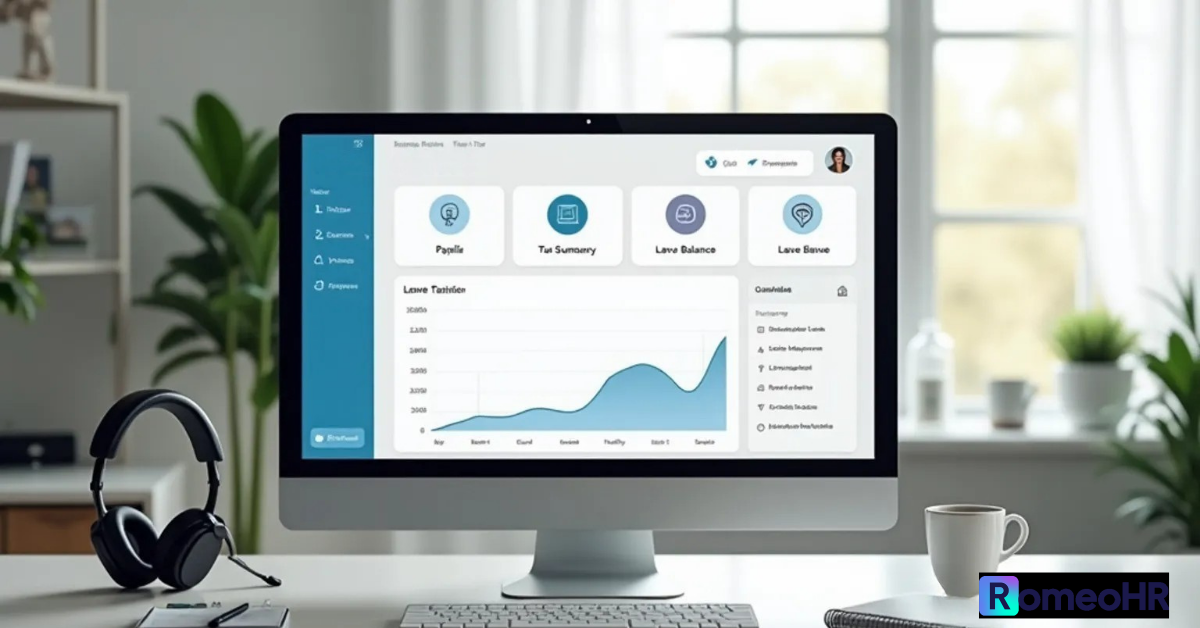
In a digital-first work environment, employees expect more autonomy over their payroll and HR data. Modern HR systems must go beyond basic processing and offer intuitive self-service capabilities — from payslips and tax documents to leave balances. Here's what to look for in an Australian HR system that empowers your workforce.
Recommended Reads
Why Employee Self-Service Matters in Modern HR Systems
The days of printing payslips, manually calculating leave, and chasing HR for tax details are fading fast. Today’s employees want quick and easy access to their information, and HR teams need tools that streamline workflows. Employee self-service (ESS) portals reduce administrative strain, enhance transparency, and foster greater employee satisfaction. For Australian businesses they also support compliance by ensuring up-to-date, accurate records and accessible documentation.
Key Features of an Employee Self-Service Portal
A comprehensive ESS portal in an HR system typically includes:
- Secure login access via web or mobile app
- Payslip viewing and downloading
- Access to tax documents such as PAYG summaries
- Leave request submission and tracking
- Real-time leave balance visibility
- Superannuation information and updates
- Personal details management (e.g., address, bank, TFN)
Modern ESS platforms also offer mobile access, enabling employees to check information and submit requests anytime, anywhere. Secure authentication methods such as two-factor authentication (2FA) ensure data privacy and protection.
Payslip Delivery: Convenience and Compliance
Digital payslip delivery is a cornerstone of employee self-service. It eliminates delays, reduces paper use, and ensures employees receive their payment summaries securely and on time. This digital delivery helps meet record-keeping obligations under Fair Work and the ATO, and supports efficient payroll workflows.
Most systems provide automatic email notifications or in-portal alerts when new payslips are available. Employees can download and archive their payslips, reducing dependency on HR for historical data.
Access to Tax Info and Digital Records
An effective ESS portal allows employees to:
- Update tax file number (TFN), bank, and contact details
- Access and download PAYG summaries
- Retrieve digital copies of past payslips
- Find superannuation fund details
- Connect with ATO services via links or integrations (e.g., myGov)
These features are particularly useful during tax season, eliminating the need for HR to field individual requests and ensuring every employee has access to the documents they need, when they need them.
Real-Time Leave Balance Visibility
Employees no longer have to guess how much leave they have remaining. With integrated payroll and leave management systems, leave balances are automatically updated and visible in real time. Whether it’s annual leave, sick leave, or long service leave, this transparency prevents misunderstandings and allows for better leave planning.
Some systems even provide forecast tools that estimate future leave accruals, empowering employees to make informed decisions.
Benefits for Employers and HR Teams
Employee self-service portals do more than just improve the employee experience. They also:
- Reduce routine queries and admin work for HR
- Minimise errors in personal or payroll information
- Ensure better data accuracy across the organisation
- Support compliance and audit readiness
- Increase overall employee engagement and satisfaction
For businesses with remote or hybrid teams, self-service tools provide vital access and autonomy no matter where employees are located.
Choosing a System with Robust Self-Service Features
When evaluating an HR or payroll system, look for ESS features that are:
- User-friendly with a clean, intuitive interface
- Mobile-optimised for access on the go
- Secure, offering 2FA and encrypted data storage
- Integrated with payroll, leave, and super systems
- Customisable by role or access level
Crucially, ensure the platform is built with Australian compliance in mind, including terminology, entitlements, and data security regulations.
Conclusion
Employee self-service is no longer a nice-to-have — it’s an expectation. From accessing payslips and tax info to managing leave and personal details, self-service capabilities create a more efficient, empowered workplace.
For a broader look at what your payroll system should include, explore our guide: Key Payroll Features Every Australian HR System Must Have.